
Exercise and Addiction Recovery
Movement is medicine in recovery. Learn how exercise reduces cravings, stress, and depression, how much you need, which types help most, and how to start an active routine safely in Delaware.
Angela Robinson
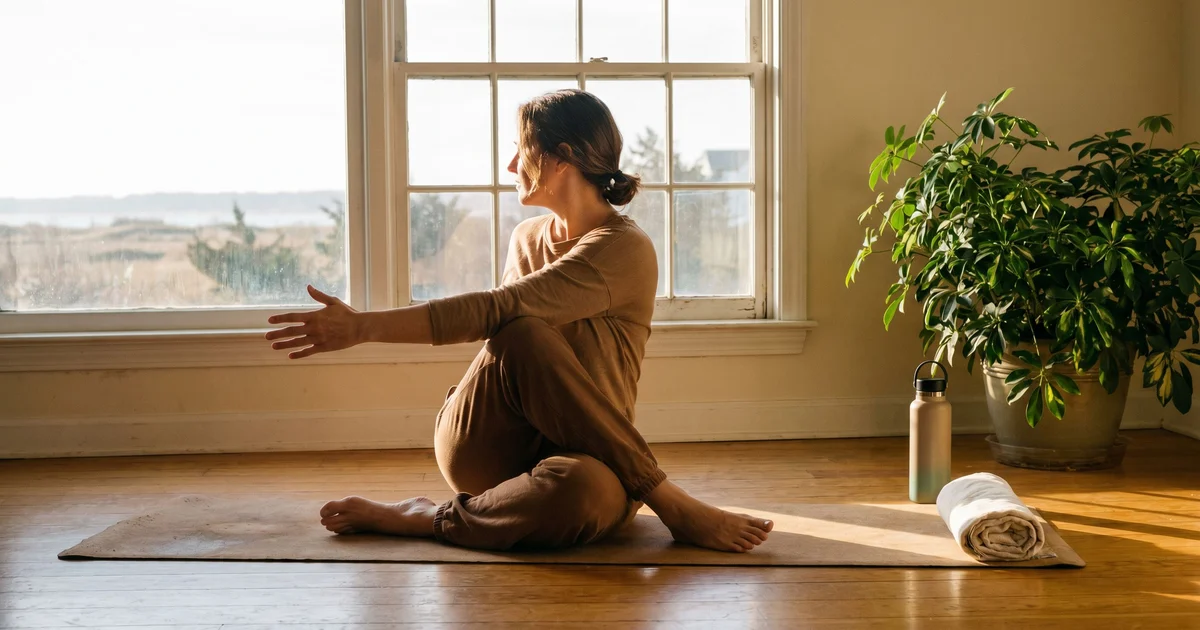
Exercise is a powerful, evidence-based support for addiction recovery. Regular physical activity reduces stress, cravings, anxiety, and depression while improving sleep, mood, and brain health. Even a daily walk helps — and federal guidelines recommend about 150 minutes of moderate activity a week.1
Key takeaways
- Exercise reduces stress, cravings, anxiety, and depression.
- Aim for about 150 minutes of moderate activity per week.
- It also improves sleep, mood, and energy in recovery.
- Start small — even short daily walks count.
How does exercise help in recovery?
Physical activity naturally boosts mood-regulating brain chemicals, lowers stress hormones, and provides a healthy structure to your day. It can ease the anxiety and low mood common in early recovery and gives you a positive outlet when cravings or restlessness hit.2
How much exercise do you need?
Federal guidelines recommend at least 150 minutes of moderate-intensity activity each week, plus muscle-strengthening on two days.1 That breaks down to about 30 minutes, five days a week — and any amount is better than none.
What types of exercise are best for recovery?
| Type | How it helps recovery |
|---|---|
| Aerobic (walking, jogging, cycling) | Lifts mood, lowers stress, improves sleep and energy |
| Strength training | Builds confidence, structure, and physical resilience |
| Yoga and mind-body | Calms the nervous system and builds craving-management skills |
| Outdoor and group activity | Adds connection, routine, and a sense of accomplishment |
How do you start safely?
Begin small and build gradually — a 10-minute walk is a real start. If you have health conditions or are early in recovery, check with your provider first. Consistency matters far more than intensity, so choose activities you genuinely enjoy.
What about yoga and mind-body practices?
Yoga therapy and mindfulness combine movement with stress regulation, which makes them especially useful for managing cravings and anxiety. Many treatment programs include them as part of a holistic approach.
Building an active routine in Delaware
Exercise works best alongside therapy, sleep, and connection. Outpatient programs can help you weave healthy habits into daily life, and you can browse Delaware treatment centers that take a whole-person approach.
For free, confidential help any time, call the SAMHSA National Helpline at 1-800-662-4357.3 If you or someone you love is in crisis, call or text 988.
Frequently asked questions
Sources
- U.S. Department of Health and Human Services. Physical Activity Guidelines for Americans, 2nd Edition. health.gov.
- NIDA. Treatment and Recovery — Drugs, Brains, and Behavior: The Science of Addiction. National Institute on Drug Abuse, 2020.
- SAMHSA. National Helpline: 1-800-662-HELP (4357). Substance Abuse and Mental Health Services Administration.